
Or: How I Learned That Subtlety is Overrated.
In these troubled times, I’m often comforted by some words from the great Fred Rogers: “Look for the helpers. You will always find people who are helping.”
Looking back through the year and thinking about the movies I enjoyed most I realised that most of them are, in some way or another, about helpers. Sometimes they’re superheroes, sometimes they’re bumbling cops, and sometimes they’re not even human. But they’re all determined to do something, even the smallest thing, to help someone else.
Have I missed your favourite movie of the year? Let me know! I’m always looking for recommendations! And if you like this end-of-year list, please consider subscribing to get more writing from me in 2026:
10. The Naked Gun
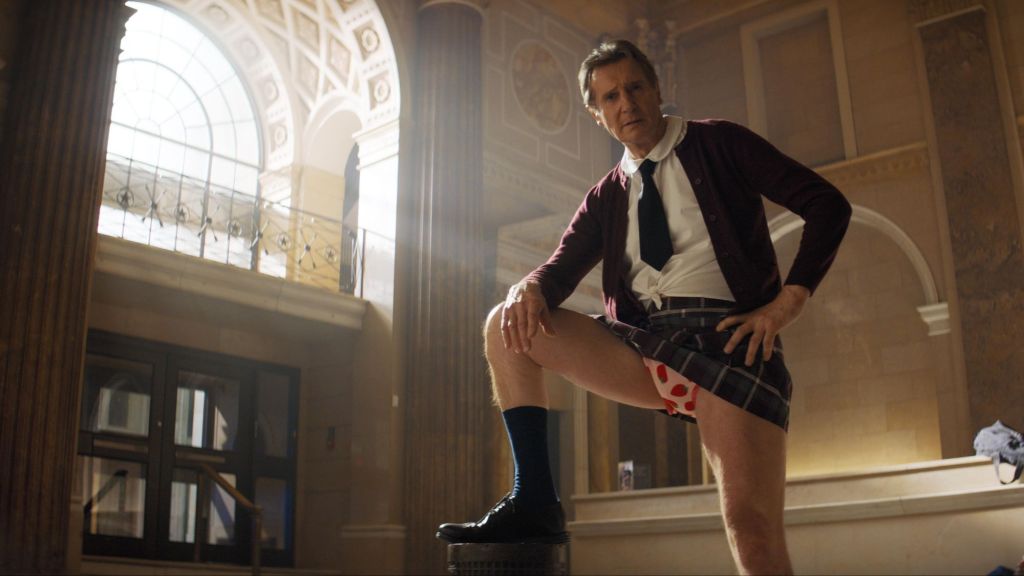
Sometimes the reasons a movie works are nuanced and complicated and require a lot of unpacking. Sometimes, it’s really quite simple. The Naked Gun is a movie whose sole aim is to be funny, and I laughed so much at it that I was in actual physical pain by the time I left the cinema.
It’s hard to imagine anyone living up to the towering comedic performance of Leslie Nielsen, but Liam Neeson excels with a pitch-perfect piss-take of the persona he’s been cultivating ever since he first mentioned his particular set of skills. It helps that director Akiva Schaffer gives him plenty to work with; every minute of the movie is stuffed full of the kind of brilliantly idiotic jokes that only really intelligent people could write.
9. The Life of Chuck
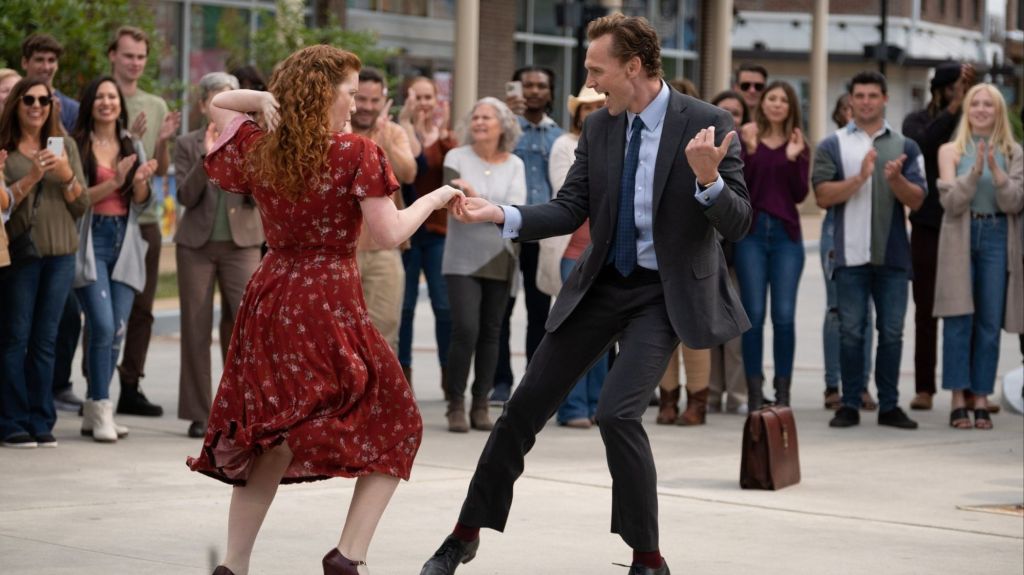
Mike Flanagan just gets Stephen King like no other filmmaker. He even managed to reconcile King’s original version of The Shining with Stanley Kubrick’s wildly different one in his 2019 adaptation of Doctor Sleep. The Life of Chuck — a triptych of stories about the life of an accountant, told in reverse order — is not King’s typical fare, but Flanagan handles the curveball with aplomb.
In fact, like the Wachowskis did with Cloud Atlas, Flanagan might have proved that film was the better medium for the story. By cleverly reusing cast members, shots and lines of dialogue, he ties the three stories together into a more cohesive whole. The highs of Chuck Krantz’s life are even more joyous when contrasted with the absolutely heartbreaking lows, but by the end we know that they’re all essential parts of his story.
8. Mickey 17
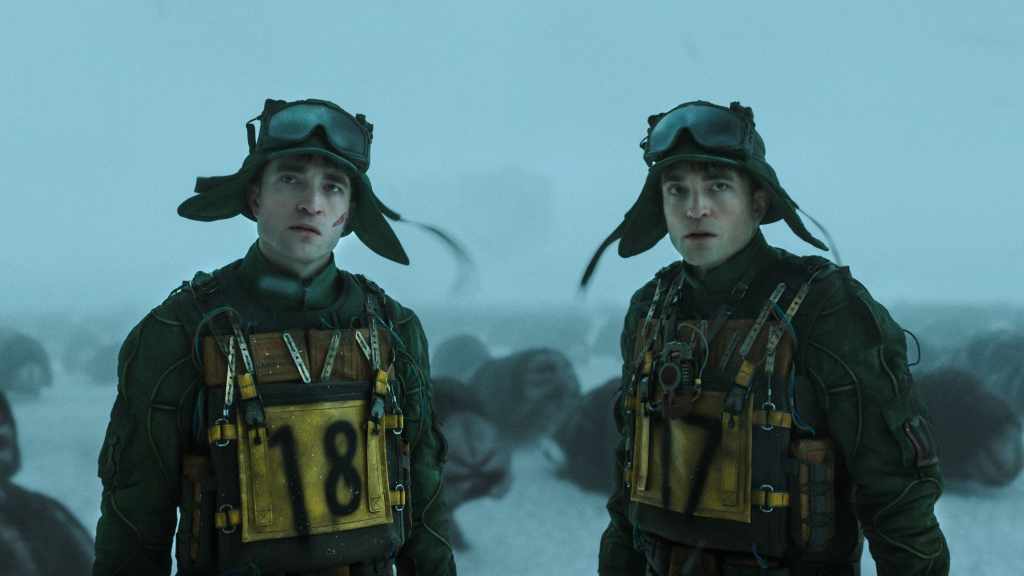
Bong Joon Ho knows writers who use subtext, and they’re all cowards. While Mickey 17 might have the bleakest premise of any of Bong’s movies — what if humanity conquered death itself and used its newfound immortality to do even more capitalism? — it’s also his most optimistic movie: a love letter to the power of collective action and the importance of defining yourself as more than just a cog in the corporate machine.
Robert Pattinson has spent much of his post-Twilight career playing Weird Little Guys, and it’s a delight watching him try and out-weird himself as two subtly different versions of the same character. Here he’s surrounded by a smorgasbord of Weird Little Guys; the highlights being Mark Ruffalo as a space colonist who’s two parts Musk to one part Trump, and Toni Collette as his sauce-obsessed spouse.
7. Eddington

Leave it to Ari Aster, the master of making audiences deeply uncomfortable, to direct the first truly great movie about the COVID era. Eddington serves as a timely reminder that the world went insane in early 2020, and basically never recovered.
At first it feels like it’s trying to cover too much ground by being about the pandemic and the Black Lives Matter movement and the intrusion of big tech into our lives, but Aster shows that those things are all connected. Maybe trying to keep track of them is what drove us all mad in the first place. By the time we reach the final act, we realise that the eponymous town wasn’t a powderkeg waiting to explode: it had, in fact, been exploding the entire time. We just didn’t see the flames until it was too late to get out of their way.
6. Black Bag
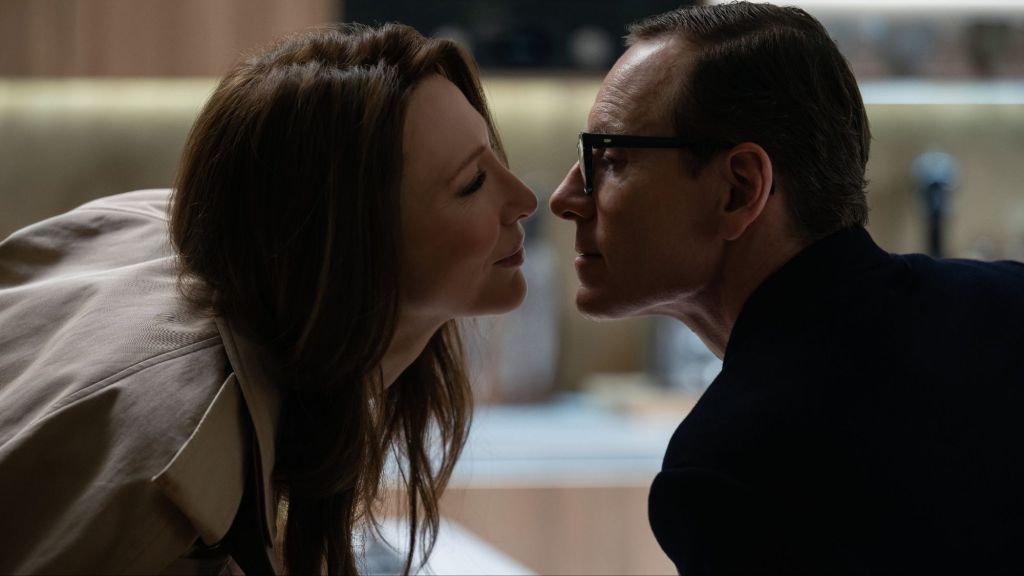
Like last year’s brilliant Conclave, Steven Soderbergh’s Black Bag manages to make a series of conversations in interrogation rooms and around kitchen tables feel tense and thrilling to watch. Unlike Conclave, it’s also one of the most relentlessly horny films I’ve seen in ages; full of ridiculously beautiful people who unambiguously want to jump each other at all times.
That horniness isn’t just surface-level titillation, either. While the plot about uncovering a mole in British intelligence feels like a modern update of John Le Carré (including the protagonist being a bespectacled, buttoned-up spy named George), Soderbergh is far less interested in tradecraft than relationships, and the question of whether it’s possible for people who make a living in lies to ever have a real connection.
5. Flow

Despite being made using free software by a team of 20 people, Flow is every bit as beautiful and complex as anything made by animation giants like Pixar or Studio Ghibli. And all without a single line of dialogue, or indeed a single human character. The motley crew of animals at its heart are all deeply compelling without being the least bit anthropomorphised, and the world in which their adventure takes place is a marvel of environmental storytelling; one in which the audience is trusted to piece together what happened without being spoonfed the answers.
I’m a big proponent of Guillermo del Toro’s assertion that “animation is a medium, not a genre for kids.” Flow is a remarkable movie, and seeing it win this year’s Oscar for Best Animated Film gives me hope for the future of the medium.
4. Superman

James Gunn’s Superman is the Paddington of superhero movies, and I mean that as a very sincere compliment. It is a deeply, unashamedly silly film that throws random comic book nonsense at the wall in nearly every scene (Did you know about the hypno-glasses? Because I sure didn’t!). Yet it’s never so focused on the super that it forgets about the man. In fact, some of the film’s best moments come from watching David Corenswet — who may well have been created in a lab to play Clark Kent — having intimate conversations with Lois Lane.
Kal-El might be able to fly, shoot lasers from his eyes and hold up collapsing skyscrapers, but his greatest power is simply waking up every morning and trying to make the world a better place. That’s something any one of us can do, and in this garbage fire of a year we needed a reminder that being nice is the real punk rock.
3. Sinners
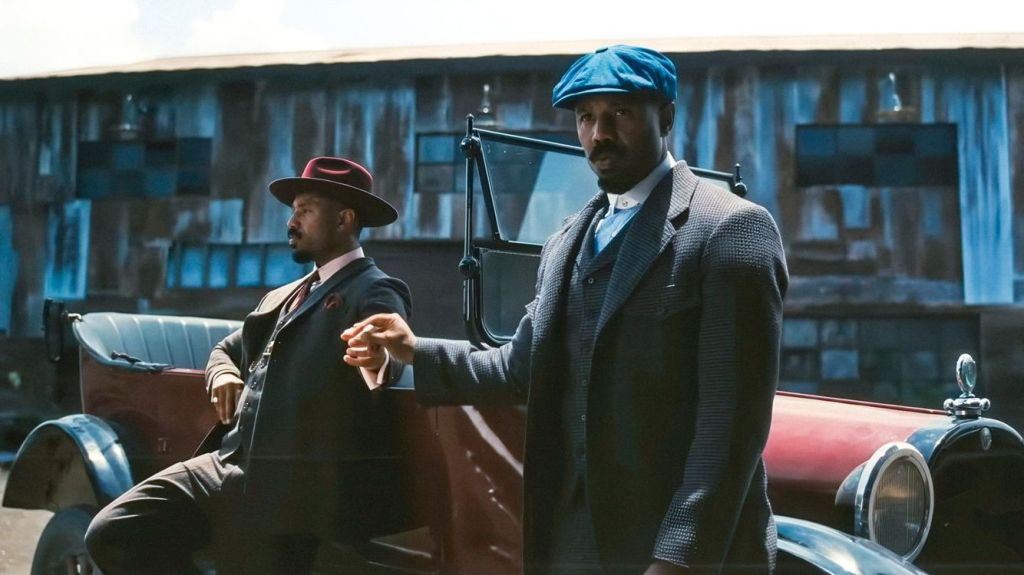
Ryan Coogler has spent the last 10 years stuck in the Hollywood franchise machine making movies for them. This year he finally got to make one for him, and Sinners practically vibrates with the decade’s worth of pent-up energy inside it.
It’s a shame that the film’s marketing campaign was so coy about the fact that this was a horror movie about vampires. Not only does the second half include some terrific action once the fangs come out; it might also be the most interesting depictions of vampirism in a movie since Daybreakers. Here the bloodsuckers serve as a clever metaphor for cultural appropriation; the way that White America tries to absorb Black culture while keeping Black people under its heel. This is blockbuster filmmaking at its finest; here’s hoping we don’t have to wait another decade for Coogler to make another original movie.
2. Wake Up Dead Man
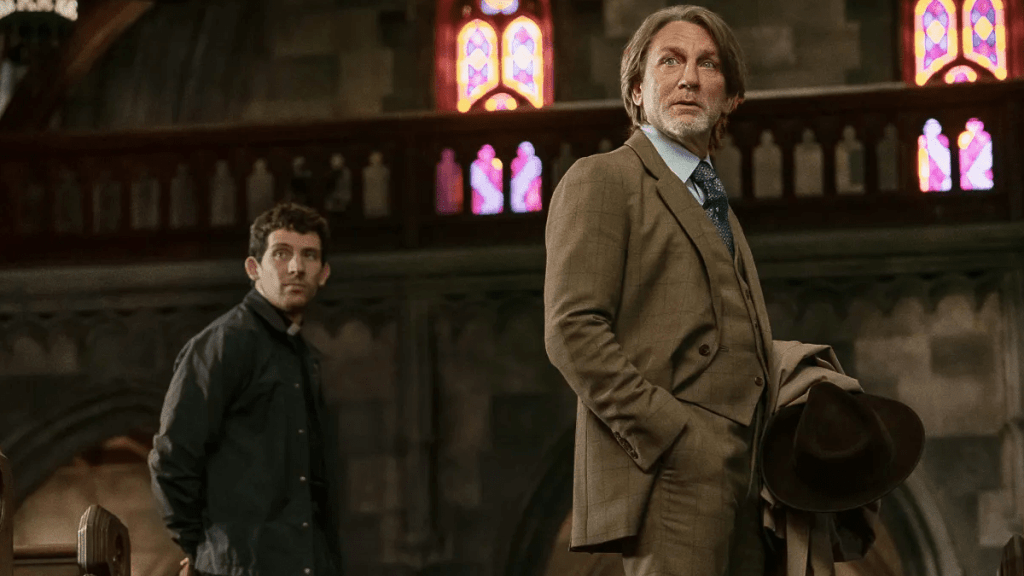
It’s no surprise that Wake Up Dead Man is a great movie. Knives Out and Glass Onion already proved that Rian Johnson knows how to craft a compelling mystery; the cast is typically stuffed with talent; and Daniel Craig slips back into the role of Benoit Blanc like a pair of comfy slippers. What is surprising is that it’s also a profound movie: one that owes as much to Life of Pi as Agatha Christie.
Part of the genius of these films is that Benoit Blanc may be the star, but he’s never the protagonist. This time that role goes to Josh O’Connor, giving a wonderful turn as a priest named Jud who’s trying to preach love and acceptance to a radicalised flock. Instead of falling back on the cliché of pitting a man of faith against a man of reason, Johnson’s whip-smart screenplay uses Jud and Blanc’s sleuthing to examine why people turn to faith in the first place, and how it can ultimately curdle into fanaticism.
1. One Battle After Another
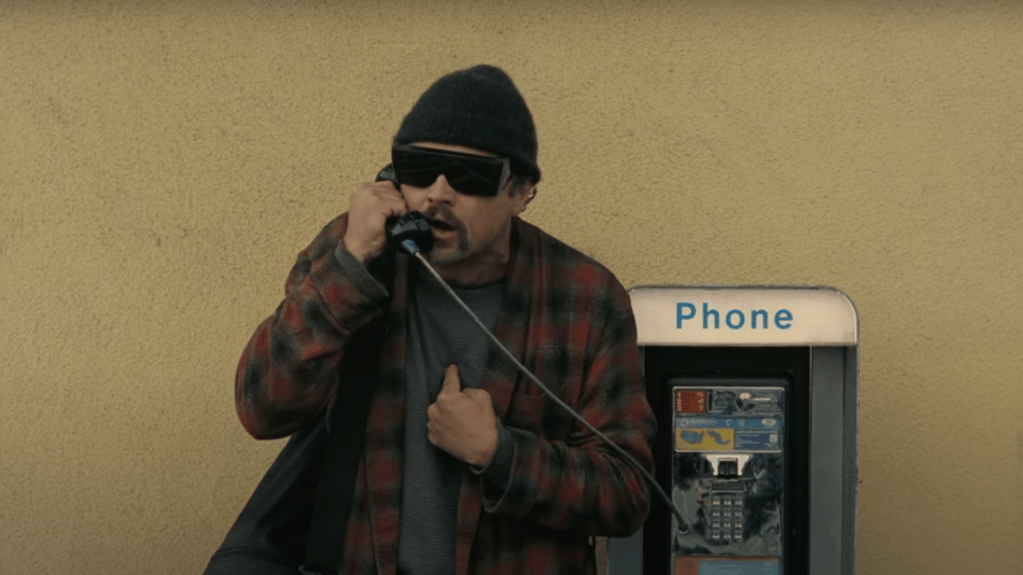
With its scenes of jackbooted thugs dragging people off city streets and secret meetings of flabby, chinless white supremacists, it’s hard to think of a film in 2025 that felt more effortlessly “of the current moment” than One Battle After Another. At the same time, as I watched it unfold that this was a film that will be part of our shared cultural conversation for a long time to come.
Much of that is simply down to the calibre of the filmmaking. This is a tautly written, beautifully shot thriller, that also features what might be Leonardo DiCaprio’s finest performance since The Wolf of Wall Street. Bob Ferguson is a clownish but sympathetic figure, and DiCaprio plays that up with some wonderful physical comedy without ever letting the audience forget that he’s also a man of conviction and a devoted father.
But even without the Trumpian coding of the film’s villains, Paul Thomas Anderson has struck upon a deeper truth: one that’s as true today as it was when Thomas Pynchon wrote Vineland (upon which the movie is very loosely based) thirty years ago. It’s all right there in the title. Even when the MAGA movement is defeated there will be another enemy to fight. So we’d better make damn sure that the next generation are ready to fight it when we’re gone.

 Phil W. Bayles
Leave a comment