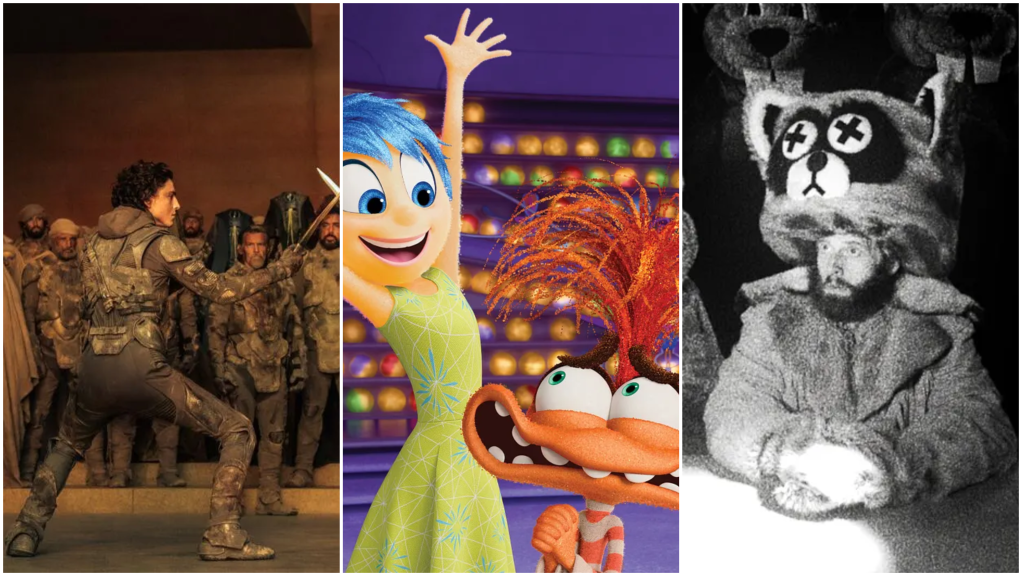
Or: How I Learned I Actually Really Enjoy Horror Movies
Yeah, I know I’m a bit late with this one, but I figure that end-of-year lists are a bit like Christmas decorations: as long as you get them squared away by Twelfth Night, you’re OK.
Happy New Year, everybody.
10. Dune: Part Two
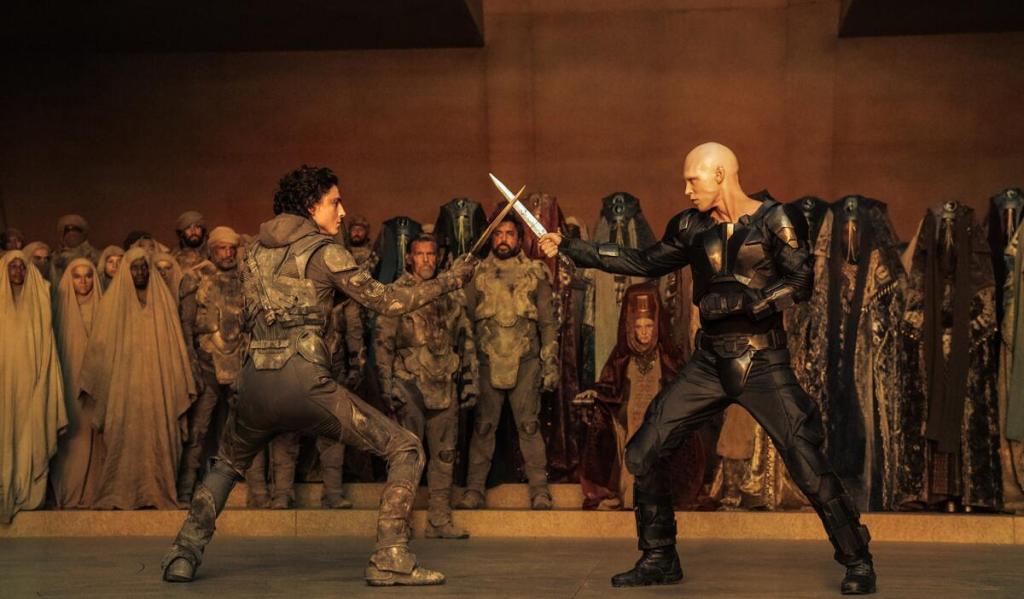
Denis Villeneuve’s decision to adapt Frank Herbert’s esoteric sci-fi classic into two movies — opting to release the first before the second was even greenlit — was an unbelievably risky gamble. Fortunately for him, it paid off; $400 million at the box office and a handful of Oscar nominations meant that Part Two became inevitable.
Buoyed by the success of Part One, Villeneuve pulled out all the stops for the sequel. While the first movie was essentially all setup, introducing us to the world of Arrakis and the various factions fighting to control it, Part Two is a war movie on the most epic scale imaginable. But while the visuals are somehow even more spectacular this time (the monochromatic hell of Geidi Prime is a particular highlight), so are the intimate moments between the characters. Timothée Chalamet’s transformation from reluctant messiah to full-throated revolutionary is compelling, as is his doomed romance with Zendaya’s Fremen fighter Chani.
If Villeneuve can stick the landing with his upcoming version of the follow-up novel Messiah, his Dune will have earned a place alongside Peter Jackson’s Lord of the Rings as one of the greatest film trilogies of all time.
9. American Fiction
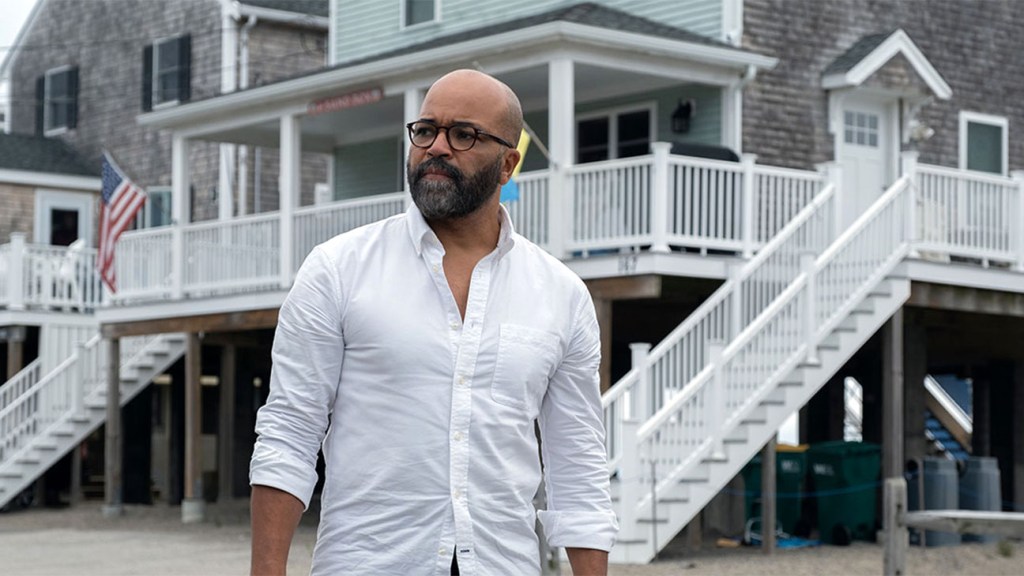
As a writer who’s been toiling away at a novel for a while now (and has also spent some time writing about writing), I’ll admit that I was a pretty easy sell when it came to American Fiction. Cord Jefferson has written for some of my favourite TV shows in recent years (including The Good Place, Succession and Station Eleven), and his directorial debut is a brilliantly funny and deeply insightful satire about the literary world.
The film I thought of most while watching American Fiction was Boots Riley’s excellent 2018 film Sorry To Bother You. It might seem like an odd comparison — given that the former doesn’t contain a subplot involving human-horse hybrids — but they’re both films about the voices of Black people in modern America. The difference is that while Sorry to Bother You invents a world where Black people must adopt a “White Voice” (literally, the voice of a White actor) to survive under late-stage capitalism, American Fiction takes a scathing look at the way art by Black creators can be ignored for not being “Black” enough.
Even when it’s not being a satire, American Fiction also manages to be a surprisingly compelling family drama about a family dealing with loss, both inevitable and unexpected. That might seem like a tonal whiplash, but it’s all held together by a wonderfully exasperated performance from Jeffrey Wright. Like a live-action Gromit, he can express so much emotion through little more than a raised eyebrow or a flared nostril.
8. Alien: Romulus
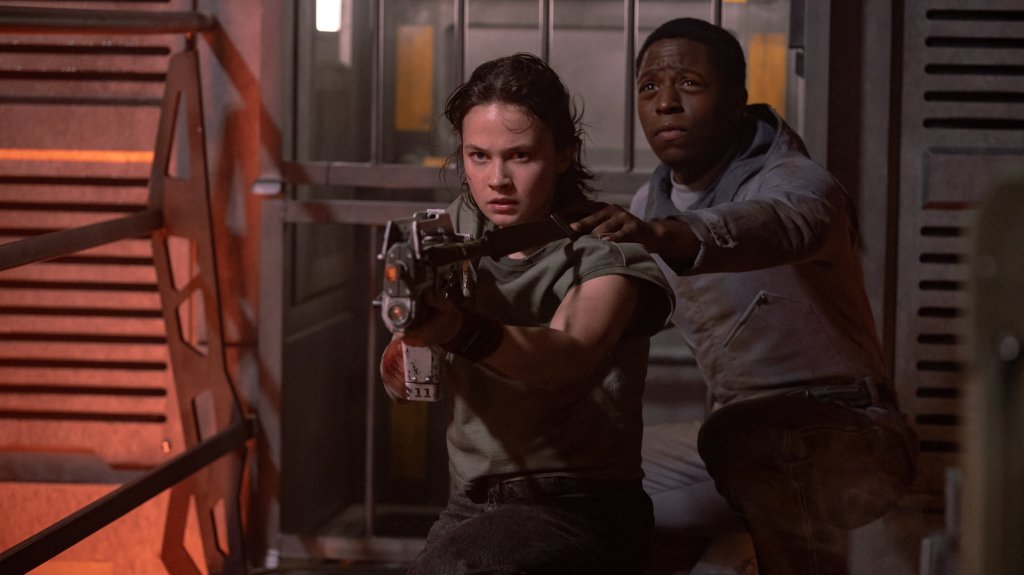
Let’s be honest: the Alien franchise consists of two nearly perfect films and 40 years of failed attempts to live up to them. (There’s also one video game that’s apparently excellent, but I’m far too much of a wuss to play it). With Alien: Romulus, director Fede Álvarez injects new life into the franchise by, ironically, making a film that feels like a compilation of the greatest hits from Alien and Aliens.
While many “legacyquels” lean on nostalgia for their predecessors as a substitute for real storytelling, the callbacks in Romulus make the world of the films feel more fleshed out and substantial than ever — especially when we see what the Weyland-Yutani Corporation’s mission of “building better worlds” means for the working class people doing the actual building. Nor is the film afraid to add something new to the mix; after having plenty of fun playing with facehuggers and xenomorphs, Álvarez creates some brand-new nightmares of his own for a truly bonkers final sequence.
Most of the cast do their best with pretty forgettable roles, but what matters is that Caillee Spaeny (who’s had one hell of a year so far) shines in the lead role. This is a very different kind of heroine for Alien; one that has shades of Ellen Ripley about her, but also a vulnerability that makes her feel like more than just a Sigourney Weaver tribute act.
7. Inside Out 2
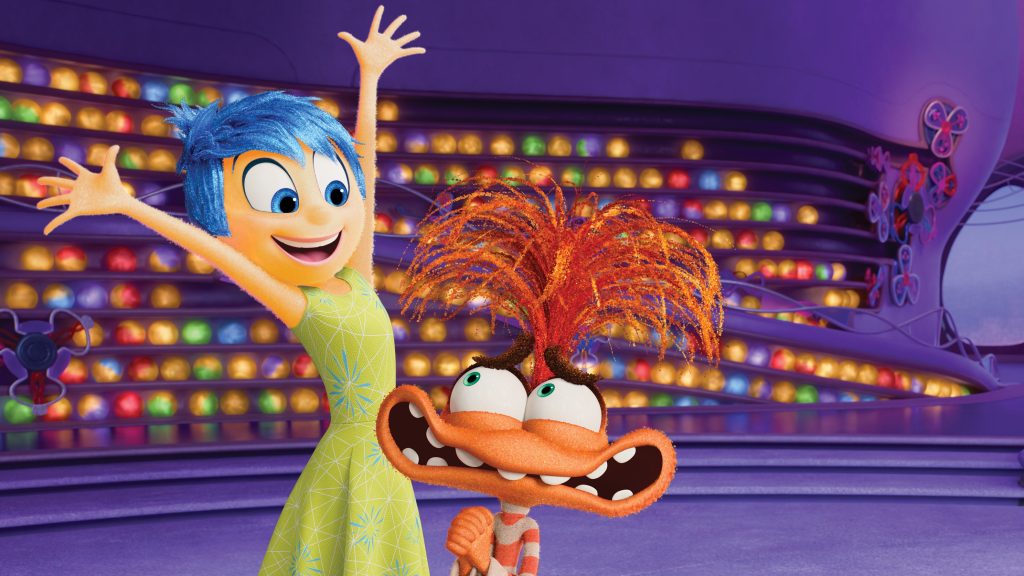
Inside Out isn’t just my favourite Pixar movie; it’s one of my favourite movies, full stop. So the idea of a follow-up made me nervous to say the least, especially given Pixar’s less-than-stellar record when it comes to sequels. Fortunately, I had nothing to worry about. In fact, this might be the best animated sequel since Toy Story 3.
The inside of Riley Andersen’s head is more crowded than ever, with new emotions and wonderful new concepts (the “sar-chasm” was a particular delight). And while nothing in this movie made me tear up quite like Bing-Bong fading out of existence, it retains the uncanny ability to put subjective experiences on screen; if someone ever asks me how it feels when I experience a panic attack, I can point to the climax of this movie and say “pretty much that.”
Amy Poehler, the voice of Joy, has said in interviews that she would love to do more sequels, returning to Riley’s head every few years like the Up documentary series to see how things have changed. If they’re all as good as Inside Out 2, I’ll keep coming to see them.
6. Hundreds of Beavers
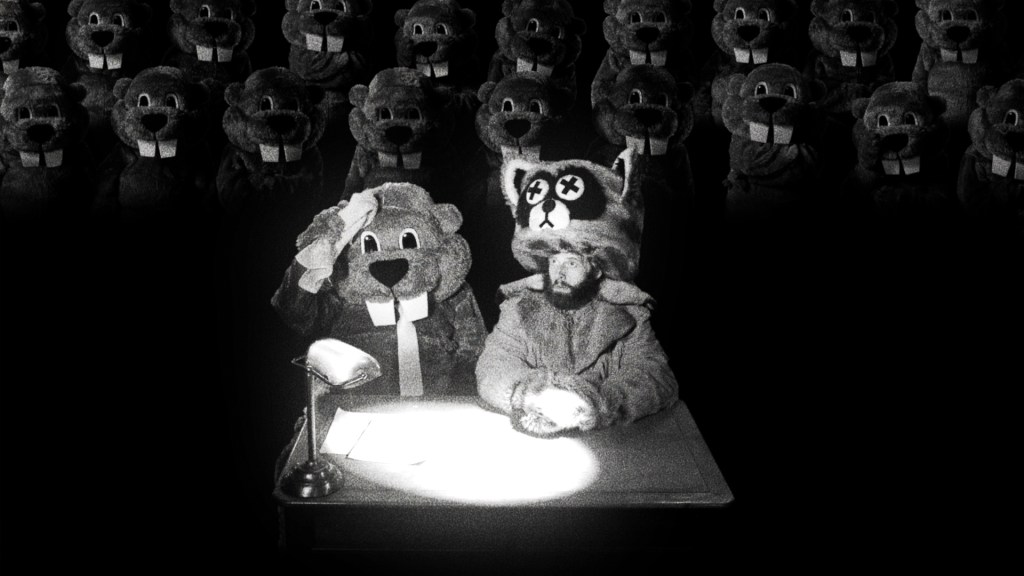
I went to see Hundreds of Beavers in a sold-out screening in Sheffield, knowing nothing about it other than the title, and it turned out to be the most gloriously fun experience I had in a cinema all year.
Despite seemingly being made with whatever loose change director Mike Cheslik could find between his sofa cushions, Hundreds of Beavers has more creative energy than some comedies with ten times the money and resources at their disposal. While most of its influence is clearly old-school — Buster Keaton meets Looney Tunes — it’s also taken some leaves from some more modern books as well. There’s a touch of Aardman in there, a dash of James Bond, and even some nods to video games like Dark Souls and Minecraft. And at the centre of it all is Ryland Brickson Cole Tews, giving the greatest silent performance since Jean Dujardin in The Artist (though sadly his chances of Oscar glory are far less likely).
Hundreds of Beavers will almost certainly be available to stream before too long, but if it does find its way back to cinemas, you should try to see it on the big screen: this is the sort of movie that was made to be seen with as big an audience as possible.
5. Heretic
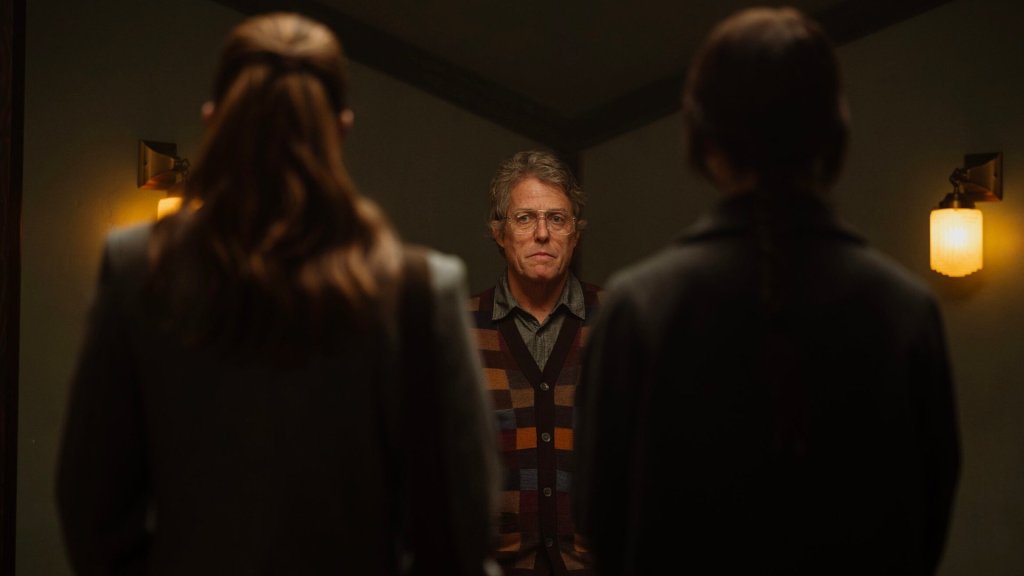
The last decade of Hugh Grant’s career has been filled with delightfully oddball roles, from a bloodthirsty cannibal in the underrated Cloud Atlas to his iconic turn as a scheming actor in Paddington 2. This year, the Grant-aissance reached its apotheosis with Heretic: a perfectly crafted thriller that forgoes cheap scares and instead chooses to ratchet up the tension to unbearable levels. Clad in Dennis Taylor glasses and a multicoloured cardigan, Grant has created a movie villain for the ages by taking all the foppish charm of his youthful roles and turning up the intensity just enough to make everything feel uneasy.
Unfortunately, Heretic is also a film that’s destined to join Fight Club on the list of movies adored by arseholes who don’t understand them. While it’s undeniably entertaining to watch Grant go on an epic tirade against organised religion that somehow encompasses Radiohead, Monopoly and Jar-Jar Binks, it would be wrong to call the film “anti-religious”. Anyone who’s argued with a particular kind of atheist on the internet will have heard his arguments many times before, and writers Scott Beck and Bryan Woods waste no time unravelling them with the help of Sophie Thatcher and Chloe East as a pair of Mormon missionaries. By the end, it even makes a surprisingly profound point about why people find faith in the first place.
4. The Holdovers
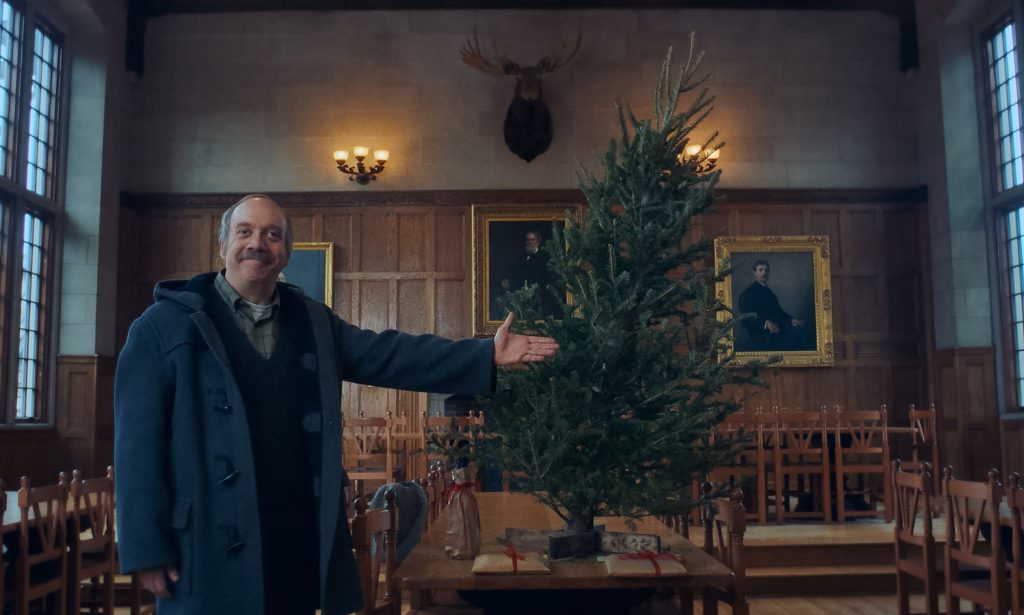
“They don’t make ‘em like this anymore” is the kind of phrase that gets thrown around a little too often by people who write about movies — God knows I’ve been guilty of it — but it feels particularly appropriate for The Holdovers. Alexander Payne’s dramedy about a group of misfits stuck in a boarding school for Christmas break doesn’t just take place in the 1970s. Everything from the film stock to the dialogue gives it the air of a film that was made in the 1970s, when the Vietnam War was a part of daily life and not a distant memory.
Paul Hunham is the kind of character that Paul Giamatti was simply born to play; a misanthrope whose disdain for others wafts from him like the smell of fish, and whose lazy eye seems to switch sides like Marty Feldman’s hunchback in Young Frankenstein. Here, though, he’s almost upstaged by his two co-stars; Da’Vine Joy Randolph and newcomer Dominic Sessa both give remarkable performances as lost souls who are both, in their own ways, struggling with grief.
Hopefully The Holdovers goes on to become a holiday classic, because it’s everything a good Christmas story should be. It’s a little cold, a little dark, a little melancholy. But ultimately — inevitably — there is the promise of light and warmth to come as the credits roll.
3. Conclave
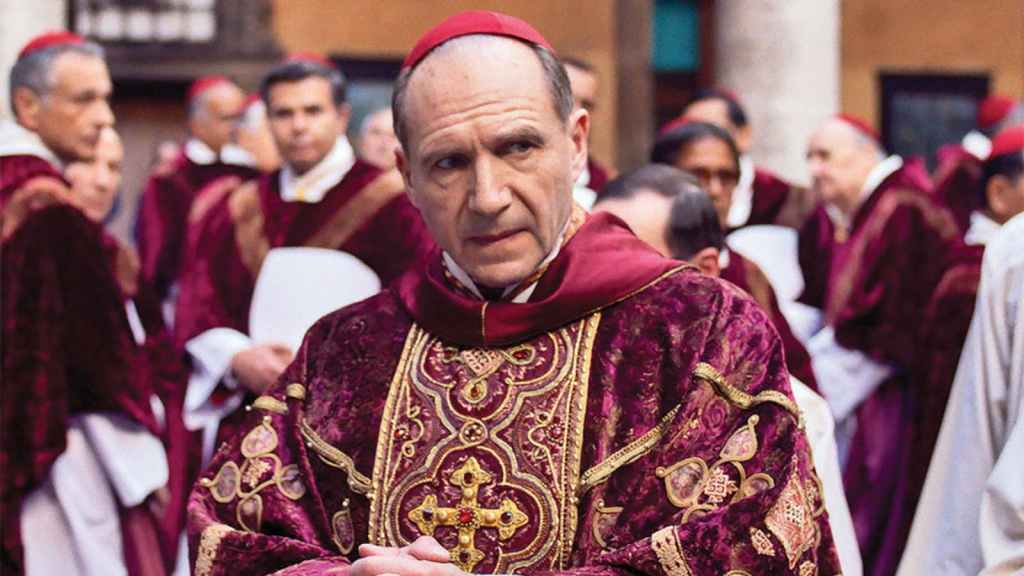
With its foreboding score and chiaroscuro cinematography, Conclave has the feel of a slick, dramatic thriller. So it takes a few scenes to realise that the film — which follows the election of a new pope after the old one dies — is in fact a mystery in the style of Agatha Christie. After all, the elements are all present: there’s a dead body, a locked room, and a group of larger-than-life characters with hidden agendas (even if none of them actually murdered anyone).
It might seem like a strange mix of genre and subject, but as the story unfolds it starts to make sense. After all, with their secretive ceremonies, elaborate costumes and the grandiose backdrop of the Sistine Chapel, there’s more than a touch of camp to life in the Vatican. As the conclave continues, that feeling only heightens: soap-opera revelations come thick and fast, and everything builds to a final twist that’s as audacious as it is completely unexpected.
What makes it all work is Ralph Fiennes, giving what might be the greatest performance of his career as Cardinal Lawrence, the man tasked with overseeing this three-ring circus. His tired eyes and furrowed brow are always full of uncertainty, but this is both Lawrence’s greatest weakness and his greatest weapon: as he reminds us in a superb monologue early in the film, “If there was only certainty and no doubt, there would be no mystery — and therefore no need for faith.”
2. Better Man
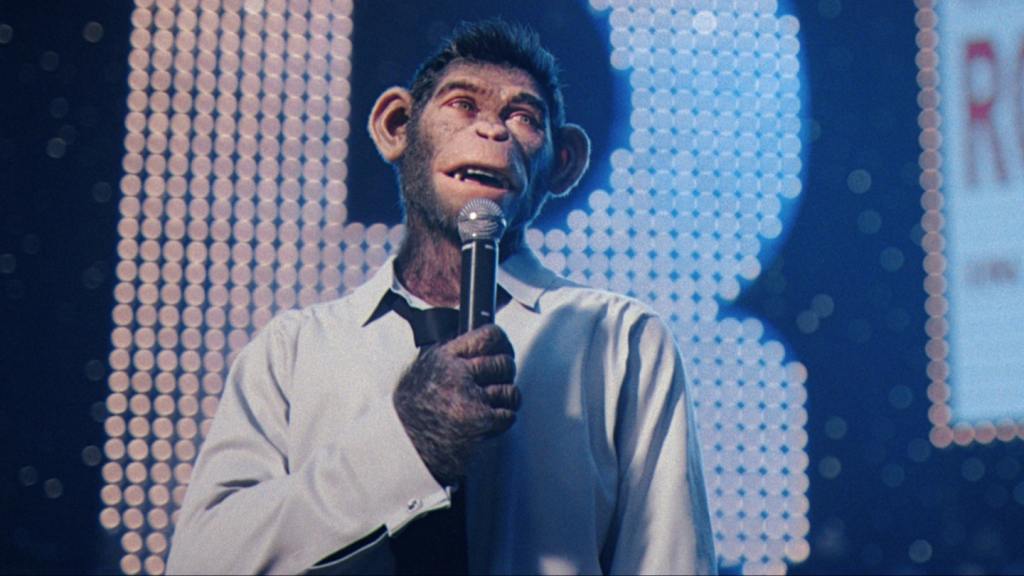
“Let’s make a biopic of Robbie Williams and turn him into a CGI chimpanzee” is the kind of thing somebody might pitch on a dare, but in a rare example of studio executives not being allergic to risk, someone gave director Michael Gracey $110 million to shoot it. And it’s phenomenal.
The whole “CGI chimp” thing is an impressive piece of special effects work, brought to life by the same folks at Wētā FX who created another incredibly photo-realistic primate this year, but it isn’t just a gimmick. It works because it allows Gracey to turn everything else in the film up to eleven. The musical sequences are all stunning — the highlight being an extraordinary single-take romp down Regent Street to “Rock DJ” — yet the film also goes to some properly dark, properly scary places in depicting its subject’s addiction to the spotlight (and several illicit substances).
Even without all the monkey business, Better Man would be a refreshing change from the usual biopic formula because Robbie Williams refuses to sanitise his own story in translating it to the screen. He bares his soul and shows his entire arse (literally and figuratively), and it’s electrifying to watch.
1. The Substance

The Substance is the most disgusting film I have watched in a long time, and I mean that as a very sincere compliment. It starts with several close-up shots of a character stuffing their face with shrimp that brought me close to vomiting, and ends with a veritable fireworks display of grotesque body horror and nauseatingly good practical effects.
Everything in between is a mash-up of Doctor Jekyll and Mister Hyde and Death Becomes Her: a blistering condemnation of the lengths that women in Hollywood (and everywhere else) have to go to in order to stay relevant as they age and can no longer conform to an impossible standard of beauty. Given the amount of time the camera spends focused on women’s buttocks, The Substance often threatens to become the very thing it’s satirising. But like the great horror author Garth Marenghi, director Coralie Fargeat knows writers who use subtext, and they’re all cowards.
It’s the kind of premise that could be all style and no… well, you know. Luckily, Fargeat has a secret weapon in Demi Moore, who gives the kind of go-for-broke performance that’s born of a genuine rage at being forced to play the game for so long. In a just world we’d give her the Oscar for Best Actress now, but given Hollywood’s continuing lack or respect for both horror movies and older women, it probably won’t happen.

 Phil W. Bayles
Leave a comment